

Table of Contents
- Introduction
- 1. Why Sustainable Event Planning Matters in 2026
- 2. Choose a Green Venue (or Make Any Venue Greener)
- 3. Rethink Decor: Rental Over Single- Use
- 4. Sustainable Catering That Doesn’t Sacrifice Flavor
- 5. Go Digital Wherever Possible
- 6. Create a Waste Management Plan
- 7. Encourage Sustainable Guest Behavior
- 8. Partner with Eco-Conscious Vendors
In 2026, being environmentally friendly will no longer be an option for sustainable event planning; it will be a must. Clients today want planners who can give them beautiful experiences without making them feel bad about the environment, whether they’re planning a wedding, a corporate event, or a big milestone celebration. The good news is? To cut down on waste, you don’t have to give up your style, your guests’ experience, or your idea of the perfect event.
Our region has access to local farms, seasonal produce, and eco-friendly vendors, which makes it easy for us to adopt sustainable practices in Fresno and all over California’s Central Valley. This guide gives you easy-to-follow steps you can take right away to plan beautiful, low-waste events that your guests will remember for all the right reasons.
1. Why Sustainable Event Planning Matters in 2026
Events create a lot of trash by using single-use items, throwing away food scraps, and using up energy. If you don’t have a plan for recycling or composting, a typical event for 100 people can create more than 400 pounds of trash from disposable plates, cups, and decorations. But the move toward sustainability isn’t just about having less of an impact on the environment. Clients want it, it saves money, and it gives you a competitive edge.
Planners with green credentials are in high demand among modern couples and businesses. They want to make sure that their celebration fits with their values, and they’re willing to make choices that show they care about the environment. Many eco-friendly habits, like sending digital invitations, choosing rentals over purchases, and planning seasonal menus, actually lower overall budgets while making experiences that are more thoughtful and curated.
In agricultural areas like Fresno, sustainability is a big plus for event planners. Catering from farm to table, flowers from nearby farms, and working with local vendors all naturally lower transportation emissions while helping the local economy.
2. Choose a Green Venue (or Make Any Venue Greener)
Your venue choice sets the foundation for a sustainable event Planning. When evaluating potential locations, look for facilities that already have composting programs, recycling systems, and energy-efficient infrastructure. Venues with LED lighting throughout, renewable energy sources, water refill stations instead of bottled water service, and reusable dinnerware signal a commitment to sustainability that makes your planning much easier.
You can still do things that are good for the environment even if your dream venue isn’t certified green. Talk to the people in charge of the venue about replacing disposable plates and cups with china and glassware. If the venue lets you bring in things from outside, bring your own compostable tableware made from bamboo, palm leaves, or sugarcane. Ask for digital signage on screens or projectors instead of printed vinyl banners that get thrown away.
Outdoor venues in Fresno—from vineyard estates to botanical gardens—often offer inherently sustainable settings that require less artificial decoration. The natural landscape becomes your backdrop, reducing the need for elaborate staging while creating Instagram-worthy photo opportunities.
3. Rethink Decor: Rental Over Single- Use
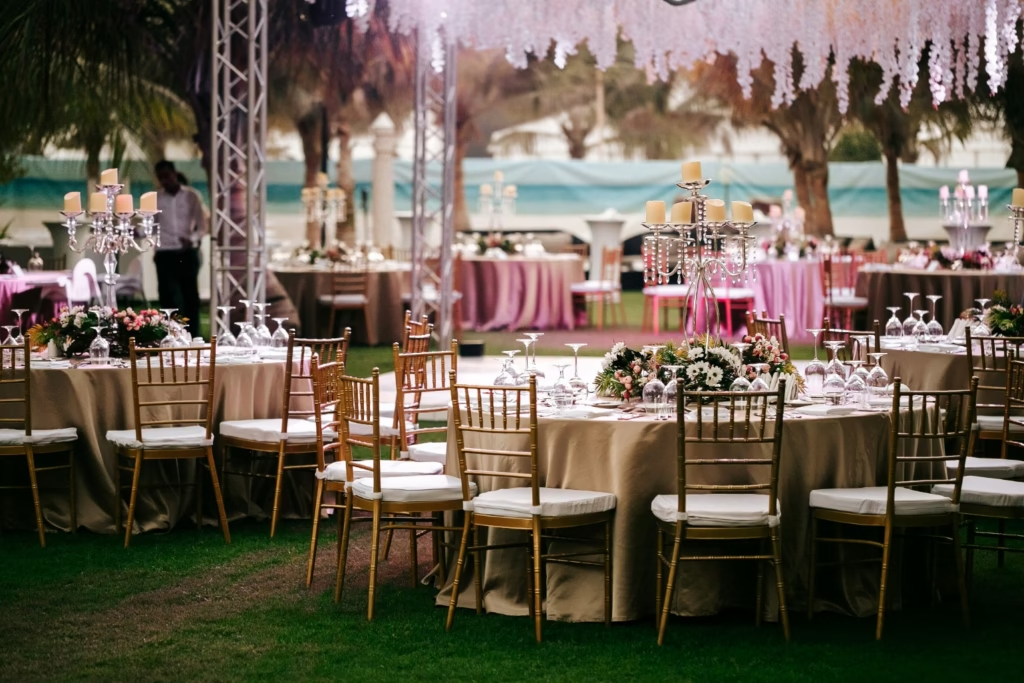
The “buy and toss” mentality is the most wasteful part of Sustainable Event Planning decor. Modular, reusable staging and backdrops that can be changed for different events are the first step in sustainable design. Instead of buying things that can only be used once, rent furniture and decorations. This method not only cuts down on waste, but it also lets you get high-quality items that you might not be able to buy outright.
Opt for decorative items crafted from natural materials whenever possible. Consider offering guests potted plants as a parting gift, or donating them to local community gardens after the occasion. Dried flowers, pampas grass, and wooden accents contribute to lovely, textured designs, and they can be composted or reused. It’s best to avoid plastic decorations and balloon arches, which are typically single-use and destined for landfills shortly after the Sustainable Event Planning.
In Fresno’s Central Valley, work with local rental companies that keep a stock of items that can be reused. Talk to florists who only use flowers that are grown locally and are in season. This will not only help local farmers and cut down on emissions from transportation, but it will also make sure that your arrangements use what is naturally growing at the time of your event.
4. Sustainable Catering That Doesn’t Sacrifice Flavor

Food and drink service is the biggest waste problem and the best chance for making a lasting difference. Compared to menus with a lot of meat, plant-based menus use a lot less water and release a lot less carbon. This doesn’t mean making guests eat vegetarian meals they don’t want to. Instead, make menus that feature seasonal vegetables as heroes alongside carefully chosen proteins.
Make seasonal menus using foods that are available in Fresno’s Central Valley on the day of your event. Asparagus and strawberries might be on the menu for spring events, while tomatoes, peaches, and stone fruits might be on the menu for summer events. Squash and pomegranates might be on the menu for fall events. Use fruits and vegetables from farms nearby to reduce the amount of transportation needed and show off the area’s agricultural bounty.
Get rid of single-use serveware whenever you can. For casual outdoor gatherings, plates made from palm leaves, bamboo, or sugarcane are a classy alternative to plastic. Formal Sustainable Event Planning need real dinnerware, like venue china or high-end compostable options that look and feel high-end. Offer cups and cutlery that can be composted, like PLA (cornstarch-based materials) or wood that breaks down on its own.
Planning your portions wisely stops food waste before it happens. Talk to your caterers about how to size the portions right for your guests and the time of your event. Set up partnerships with local food banks or shelters to give away extra meals to people who need them. A lot of groups in Fresno are happy to work with these groups and will help with pickup.
5. Go Digital Wherever Possible
Save-the-dates, invitations, programs, menus, signs, and thank-you notes all add to the pile of paper trash that builds up quickly. Digital tools get rid of most of the printed information and often make it easier for guests to talk to each other. Online registration and e-ticketing systems make it easier to RSVP and give you real-time information about who is coming. Digital invitations that match the colors and branding of your Sustainable Event Planning look polished and professional.
Sustainable Event Planning apps do away with the need for printed programs by giving you interactive maps, changing schedules, and push notifications for updates. Guests can easily get to menus, seating charts, vendor information, and photo-sharing galleries by scanning QR codes that are posted at tables or entrances. These digital touchpoints don’t feel like compromises; they feel modern and useful.
When you really need to print something, like for senior guests who like paper invitations or for keepsake programs at big events, use paper that is 100% tree-free and printed with inks made from citrus or vegetable oil. Choose printers that can show that they are good for the environment and use renewable energy. Don’t use plastic coatings, metallic foils, or mixed materials that make it harder to throw things away. Make sure that all printed materials can be recycled or broken down.
6. Create a Waste Management Plan
Even the best-planned eco-friendly event will leave behind some trash. How you handle it is what makes the difference. Set up a three-stream waste system with clear signs for compost, recycling, and trash. Put these stations in places where a lot of people walk by, like near bars, buffets, and exits, so that guests will naturally see them.
Assign staff or volunteers to watch the stations and help guests sort things out. A friendly person stationed near trash cans can answer questions, move things that are in the wrong place, and greatly increase the number of things that are thrown away. Work with local trash collectors who also do composting. Fresno has a number of commercial composting facilities that will take food scraps, compostable serveware, and organic materials.
Keep track of your impact and measure it. You can either weigh or guess how much trash you kept out of landfills and how much you sent to compost or recycling. In post-Sustainable Event Planning reports, tell clients things like, “Your celebration kept 85% of waste out of landfills and composted 120 pounds of organic material.” These specific numbers show that you are committed and help clients feel good about their decisions.
7. Encourage Sustainable Guest Behavior
Small design choices could encourage visitors to do things that are good for the environment without being preachy. Give guests reusable water bottles as party favors, or ask them to bring their own ahead of time. A branded stainless steel bottle is a useful gift and a way to show that you care about the environment if your event lasts more than a day or includes welcome bags.
Include information about public transportation, carpooling, or shuttle services in your invitations and on your Sustainable Event Planning website. If you want to cut down on the number of people who have to drive, think about arranging group transportation from well-known hotels for Fresno activities. Instead of disposable cameras or printed photo booth strips, let users upload digital pictures to internet galleries or event hashtags.
These behavioral nudges work best when they make things easier instead of asking people to give up something. Making the green option the easiest will make guests want to do the same.
8. Partner with Eco-Conscious Vendors
Your vendor team is responsible for a lot of the environmental impact of your event. Get to know florists, caterers, rental companies, photographers, and entertainers who share your values about sustainability. Ask potential vendors questions directly: Do you buy carbon offsets or use renewable energy? What percentage of your materials can be used again or composted? Do you give away or reuse things you don’t need? Can you get things from the area or that have been used before?
In Fresno’s Central Valley, you can visit family farms, regional wineries, small rental companies, and California-based suppliers that care about the environment. Make a list of preferred vendors that are committed to being environmentally friendly. This will give you trusted partners while also helping the local economy and cutting down on transportation emissions.
Talking openly about sustainability also helps vendors know what’s important to you and come up with new ideas with you. A lot of people want to offer more eco-friendly products when customers ask for them all the time.